
Date:
Time:
Location:


 Hair Restoration
Hair loss and aging skin have something in common: the cells that should keep repairing the tissue slow down. Exosome therapy is one of the newest approaches in regenerative medicine to support that repair, and it is drawing a lot of attention for both hair loss and skin rejuvenation. Here is what exosomes are, how the treatment works, what the evidence actually says and how to find out whether it makes sense for you.

Exosomes are tiny vesicles that cells release to communicate with each other. They work as biological messengers: they carry proteins, lipids and genetic material (RNA) from one cell to another and influence how the receiving cell behaves, for example by encouraging repair or calming inflammation.
The exosomes used in regenerative medicine are usually collected from cultures of mesenchymal stem cells grown in the laboratory, which can come from adipose (fat) tissue, bone marrow, umbilical cord or placental tissue. The quality of the source matters: at Rogans we work only with certified stem cell banks.
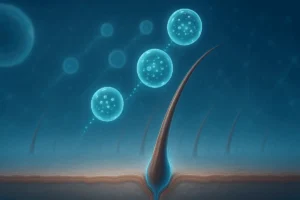
In the scalp, exosomes are applied to support follicles that are weakening or miniaturizing. Early studies suggest they may help by signaling the cells at the base of the follicle, reducing inflammation around it and improving the local environment where the hair grows.
They are usually considered for men and women who:
One important limit: exosomes act on follicles that are still there. They do not create new follicles in areas that are already bald. In advanced hair loss, a hair transplant is usually the option that can restore coverage.
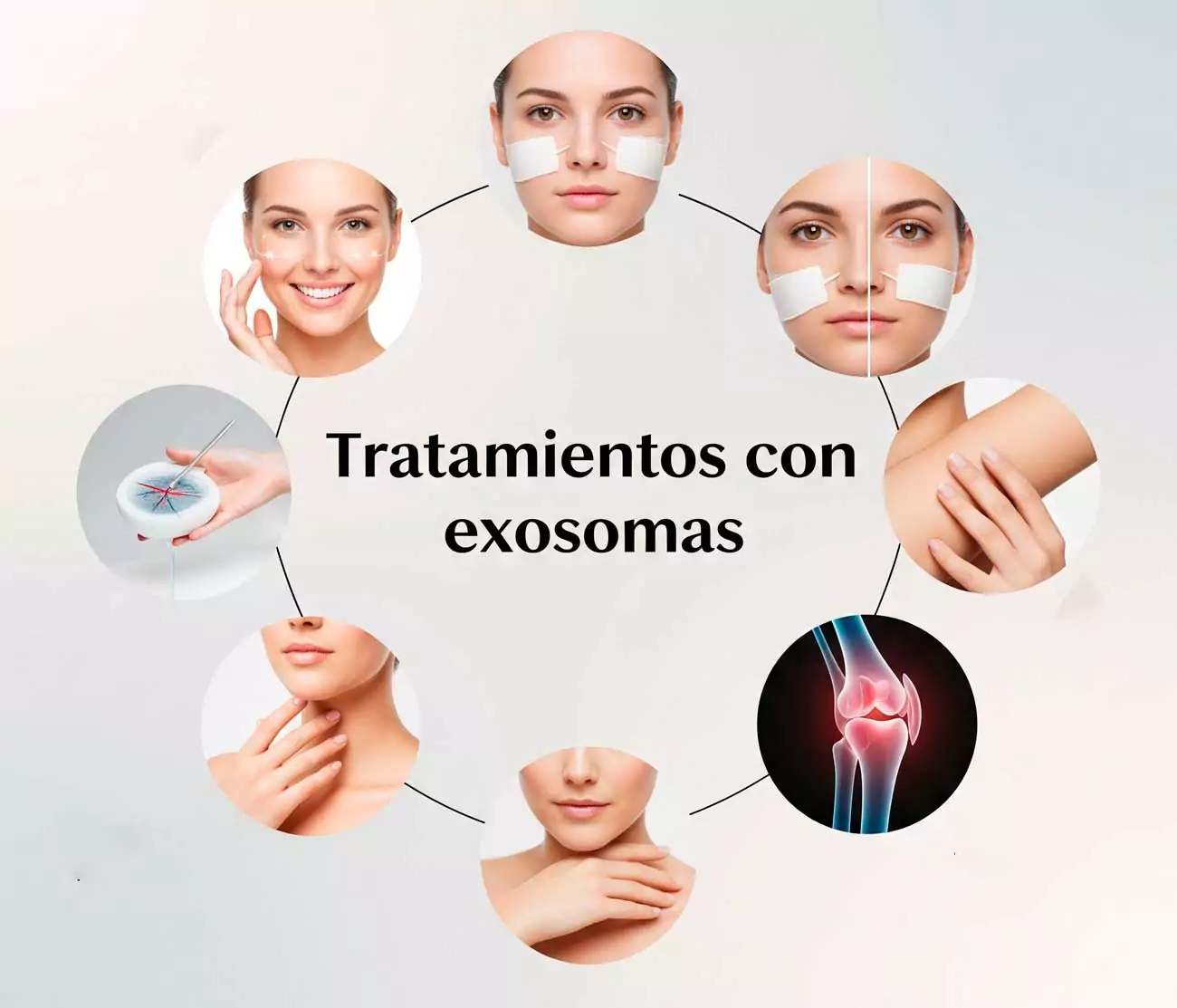
The same regenerative signaling is being used in aesthetic medicine, often combined with microneedling. The most common goals are:
Exosome therapy is promising, but it is still new. Most of the research comes from laboratory work and small clinical studies, so it is too early to promise specific results. Response varies from person to person, and the quality of the product makes a real difference.
In the United States, no exosome product is FDA-approved, and the FDA has cautioned consumers about unapproved exosome products (FDA public safety notification). That is exactly why this treatment should start with a medical evaluation of your case and a clear conversation about what to expect.
💇♀️ Hair and Scalp Conditions: Causes, Treatments and Prevention The health of your hair is a direct reflection of your general wellbeing. There are, however, a number of hair and scalp conditions that affect its appearance, texture and growth 🧠. Recognising them, understanding their causes and knowing how to treat them is essential to keeping […]
Trichologist Dermatologist: Specialist in Advanced Hair Medicine Hair and scalp health is a critical extension of dermatology, one that calls for highly specialised training and a clinical eye trained in the micro-anatomy of the follicle. A trichologist dermatologist is the doctor responsible for diagnosing, treating and preventing the complex conditions affecting the hair’s life cycle. […]
Minoxidil Shedding: Why You Lose More Hair at First (And Why That’s Good News) The early panic: understanding what is happening You have decided to tackle your hair loss, invested in a diagnosis at Rogans and started a personalised treatment — minoxidil, a specific compounded formulation or a complete plan. A few weeks in, you […]
Date:
Time:
Location:
You will get the appointment confirmation on WhatsApp at the number ending in to sort out the details and answer any questions
Enter your number and we'll send you a code via SMS and WhatsApp.
Enter the code we sent to via SMS and WhatsApp.
Your number isn't registered yet. Fill in your details to create your account.
Have questions?