
Date:
Time:
Location:


 Hair Restoration
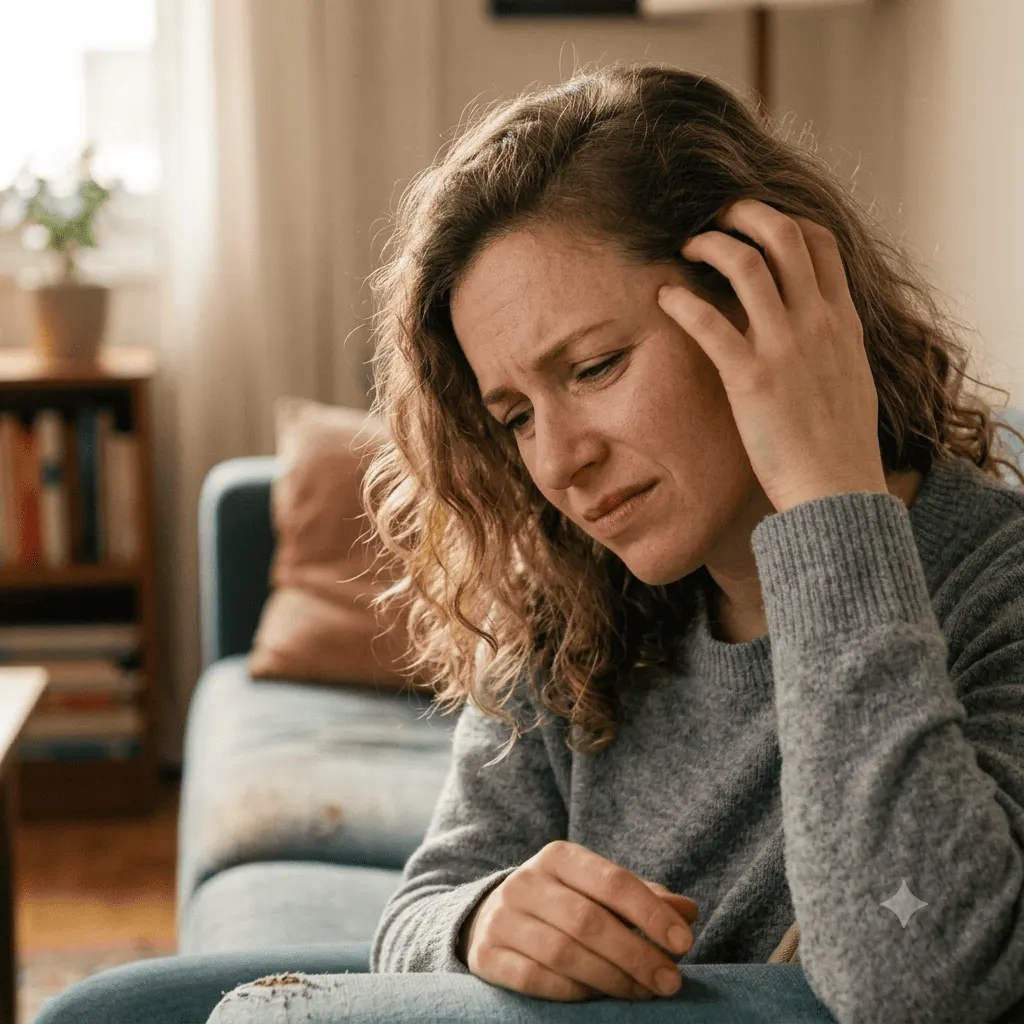
It hurts to brush your hair, to tie it back, even to touch your head gently. Scalp pain and tenderness are more common than people realise and, while often mild, they can sometimes signal something worth looking into — particularly when they come alongside hair loss.
This guide covers why the scalp hurts, what causes it, how to relieve it and when to see a specialist.
Scalp pain usually originates in the skin, the follicles or the muscles and nerves of the area, and in many cases relates to tension, inflammation or irritation. It can feel like burning, tenderness to the touch, stinging or a diffuse ache. Sometimes even the hair root hurts — a sensation known as trichodynia.
Identifying the cause matters, because the relief depends on it.
It can be. Pain does not “cause” hair to fall, but scalp sensitivity frequently appears alongside shedding processes such as telogen effluvium. So when the pain coincides with more hair on your pillow or in your brush, it is worth taking seriously.
If you notice both symptoms, a hair diagnosis helps establish what is happening at your follicles.
These measures relieve mild cases. If the pain persists, it is time for an assessment.
Book an appointment if you have:
A specialist can distinguish between a skin cause, a follicular one and one associated with shedding, and then direct the right hair treatment. Self-treating a painful scalp without knowing the cause usually prolongs the problem.
Scalp pain and tenderness are almost always caused by tension, irritation or inflammation, and many cases improve by letting the hair down, reducing tension and using gentle products. But when the pain persists, comes with shedding or with visible signs on the skin, that is the signal to have it looked at.
Listening to your scalp early means treating the cause before it affects your hair.
This content is for information only and does not replace a medical consultation. Persistent scalp pain or hair loss should be assessed by a professional.
Reference: American Academy of Dermatology.
Anaesthesia in Hair Transplant Surgery Deciding to have a hair transplant is an exciting step towards restoring your confidence and your appearance. It is natural for questions to come up, and for many people the main concern is the procedure itself: will it hurt? Thanks to advances in anaesthetic technique, the answer is a firm […]
🧴 Hair Dermatologist: The Specialist You Didn’t Know You Needed 💇♀️ ❓ Why is my hair falling out? If you have noticed more hair falling than usual — brushing, in the shower, even on waking — being worried is entirely understandable 😟. Many people go through this and have no idea who to turn to. […]
😟 Why Is My Hair Falling Out? 💡 The most common causes and what actually works Plenty of people, men and women alike, ask the same worried question: “why is my hair falling out?” Hair loss — known medically as alopecia — can cause anxiety and frustration, and it affects self-esteem considerably. Understanding what is […]
Date:
Time:
Location:
You will get the appointment confirmation on WhatsApp at the number ending in to sort out the details and answer any questions
Enter your number and we'll send you a code via SMS and WhatsApp.
Enter the code we sent to via SMS and WhatsApp.
Your number isn't registered yet. Fill in your details to create your account.
Have questions?